Wednesday, 11 November 2026



Image source: Public Domain
Red Hat, the world’s leading provider of open source solutions, announced the upcoming general availability of Red Hat Enterprise Linux 10.3 and 9.9, platforms designed to address an era of increasingly sophisticated, AI-driven cyber threats. The latest releases strengthen Red Hat's security-focused, AI-augmented operating system (OS) by embedding core zero trust principles directly into the enterprise foundation. With AI discovery and exploitation of software vulnerabilities increasing rapidly, Red Hat Enterprise Linux 10.3 and 9.9 empower organizations to keep pace with these threats through proactive security capabilities, streamlined compliance, and better control over data and infrastructure from the data center to the edge.
What’s new in Red Hat Enterprise Linux 10.3 and 9.9?
Red Hat Enterprise Linux 10.3 and 9.9 strengthen operational guardrails for mission-critical production while extending zero trust principles into the operating platform. Red Hat Enterprise Linux 10.3 introduces sealed images for image mode to sign and verify the OS with customer-controlled security keys to prevent unauthorized components at runtime, establishing a cryptographic chain of trust.
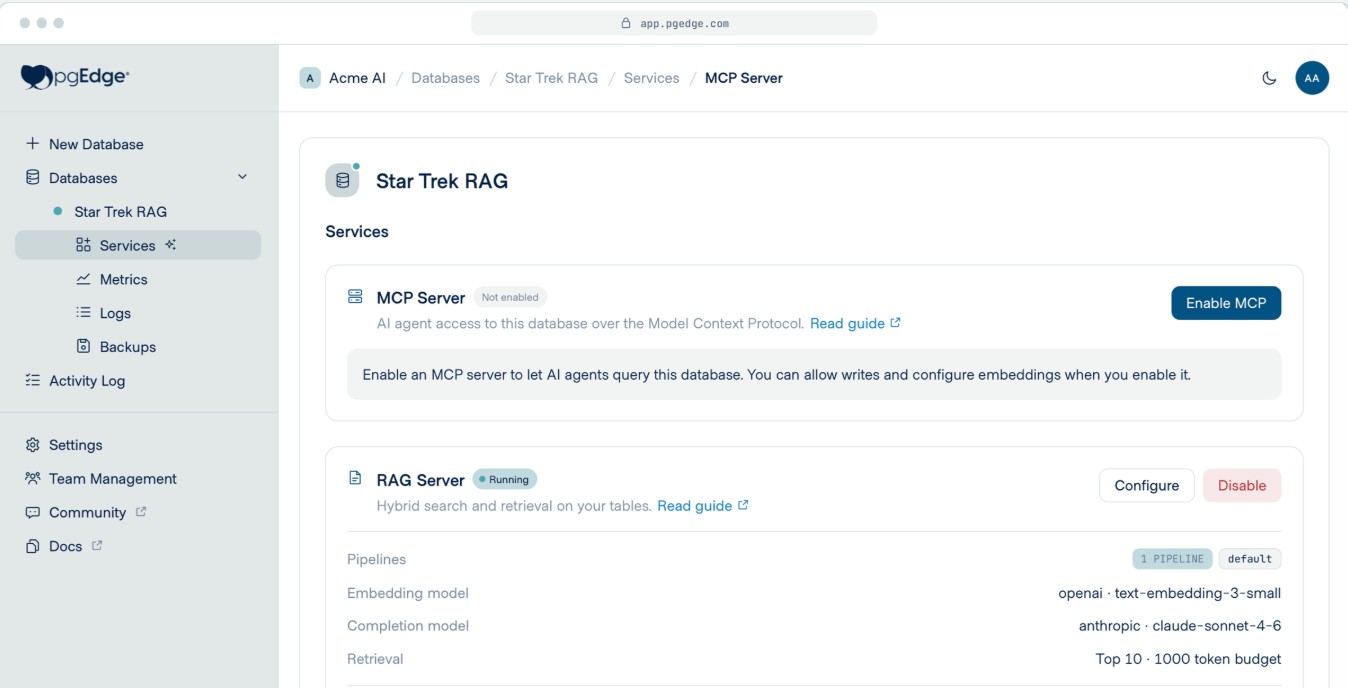
To bring the efficiency of AI to operations, the Model Context Protocol (MCP) server for Red Hat Enterprise Linux offers a supported way to investigate live Red Hat Enterprise Linux systems with relevant context. Access is governed by default, so teams can diagnose issues faster without granting an AI unrestricted access.
The Red Hat Enterprise Linux command-line assistant remains the natural-language assistant for the terminal, helping close the Linux skills gap with guidance informed by Red Hat knowledge. Available as a developer preview, customers can run the assistant in a self-managed way by using their own inference, so regulated, sovereign or disconnected environments can keep AI guidance inside their perimeter when inference is hosted locally. Red Hat’s hosted path remains available for connected estates.
Additionally, Red Hat Enterprise Linux 10.3 continues advances in quantum readiness with native post-quantum cryptography support, integrated into the Go toolchain to help protect against harvest-now, decrypt-later attacks.
Why it matters
Maintaining consistent security postures across large, distributed fleets is a central challenge for modern enterprise IT. Sealed images in Red Hat Enterprise Linux 10.3 gives customers the control to block modified or untrusted OS content before it can run via customer-managed security keys. Simultaneously, many organizations cannot send operational questions or environment context to cloud AI services due to strict regulatory and compliance mandates. The new self-managed Red Hat Enterprise Linux command-line assistant option helps these teams keep inference and sensitive operational context under their control while supporting digital sovereignty goals in disconnected or highly regulated environments. For live production troubleshooting, the MCP server for Red Hat Enterprise Linux helps IT teams pair AI agents with real host diagnostics so they can investigate performance issues, failing services and configuration problems using live and historical signals, then apply changes through operational controls.
What Red Hat is saying
"AI has fundamentally changed enterprise security, reinforcing that critical workloads are only as resilient as the underlying foundation they run on," said Raj Das, general manager, Red Hat Enterprise Linux, Red Hat. "Red Hat Enterprise Linux delivers this reality, anchoring zero trust principles and threat resilience at the heart of modern workloads."
Key takeaways