Wednesday, 28 October 2026

Image source: Public Domain
Florence introduced Farr, an AI agent for study teams, and expanded the AI workflows it already runs for study startup and monitoring. Each one puts humans over software: the AI drafts, checks, and recommends, and research teams decide.
"Sites and sponsors share one journey, but today they connect it by hand: emails, spreadsheets, re-keyed questionnaires, and documents fixed after the fact," said Shankar Jagannathan, COO of Florence. "These AI workflows take on that work, from the first feasibility questionnaire to the documents an inspector will check, so research teams spend their time on decisions and patients."
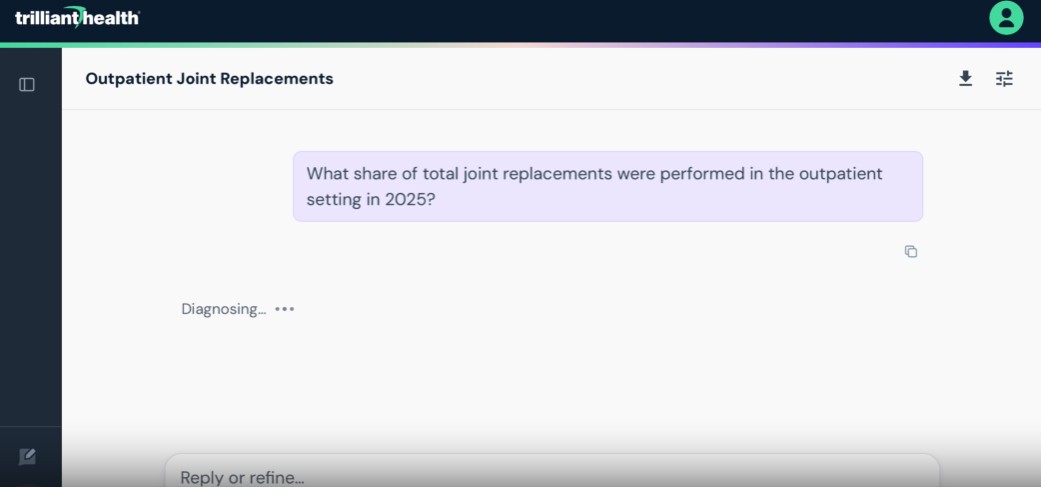
Farr: ask a question, get an answer
Farr is the AI agent in TrialSight. It answers plain-English questions about how a trial is progressing, grounded in Florence trial operations data: 12 million events a month across 50,000 protocols and 44 million documents. It suggests next steps for a person to review, so study teams spend less time digging through reports and more time acting on what they find.
Study startup: answer once, not for every sponsor
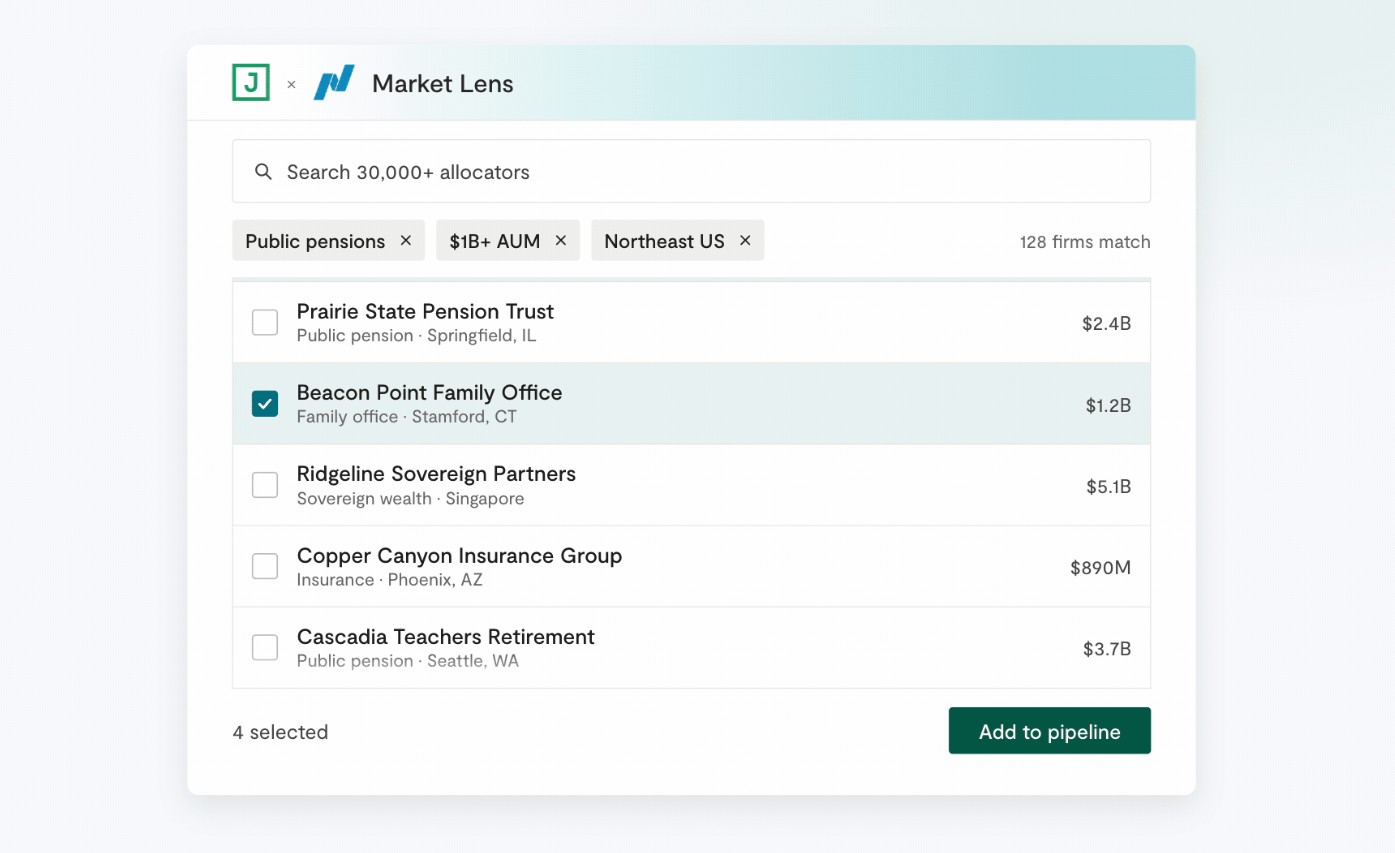
Study sites answer the same feasibility questions for sponsor after sponsor. Site Feasibility, live since September, turns each site's past answers into a reusable library and uses AI to recommend answers.
On the sponsor side, Florence is previewing two AI features at Research Revolution:
Monitoring and document quality: catch problems when documents arrive
Florence's network holds more than 44 million documents. Across 88,000 study sites, DocQC catches problems when a document arrives, not at the next monitoring visit.
"For a 500-page document set, what would normally take us about three hours to review manually was done in around 30 minutes with DocQC. That's a significant amount of time we can give back to our team," said Dr. Louise Rossiter, R&I digital transformation lead at University Hospitals of Leicester NHS Trust.
"Every workflow we're showing this week keeps a person in charge of the final decision," said Shree Shirgurkar, VP of Product at Florence. "The AI drafts, checks, and recommends. Research teams decide."